

The 8th Summit for Space Sustainability
November 4–5, 2026
Venue: Royal Tulip Brasília Alvorada
Brasília | Brazil
The 8th Summit for Space Sustainability is a high-level international forum focused on advancing practical solutions for the long-term sustainability of space activities. Co-hosted by the Secure World Foundation, the Brazilian Space Agency (AEB), and the Secretariat of Science, Technology and Innovation of the Federal District (SECTI-DF) the conference will take place on November 4–5, 2026, in Brasília.
This edition marks the first time the conference will be held in Latin America and the Caribbean. It brings together policymakers, industry leaders, researchers, and civil society to examine shared challenges, regional perspectives, and practical approaches that will shape how space is used and governed in the years ahead.
Why Latin America and the Caribbean
The LAC region brings distinctive opportunities and challenges to the global sustainability agenda:
Critical reliance on space‑enabled services for environmental stewardship (Amazon, Cerrado, Pantanal), agriculture and food security, disaster risk reduction, maritime and border monitoring, and inclusive connectivity for remote communities.
Diverse institutional capacities across countries, with many developing or updating national space frameworks and seeking practical pathways to implement international norms.
Equity and access concerns related to spectrum, orbital slots, and data availability, where regional perspectives can enrich global conversations on responsible use and fair participation.
Brazil’s growing capabilities in Earth observation, satellite development, and launch infrastructure position it as a regional convener able to foster cooperative approaches and amplify Southern Hemisphere priorities within multilateral processes.
Conference Themes
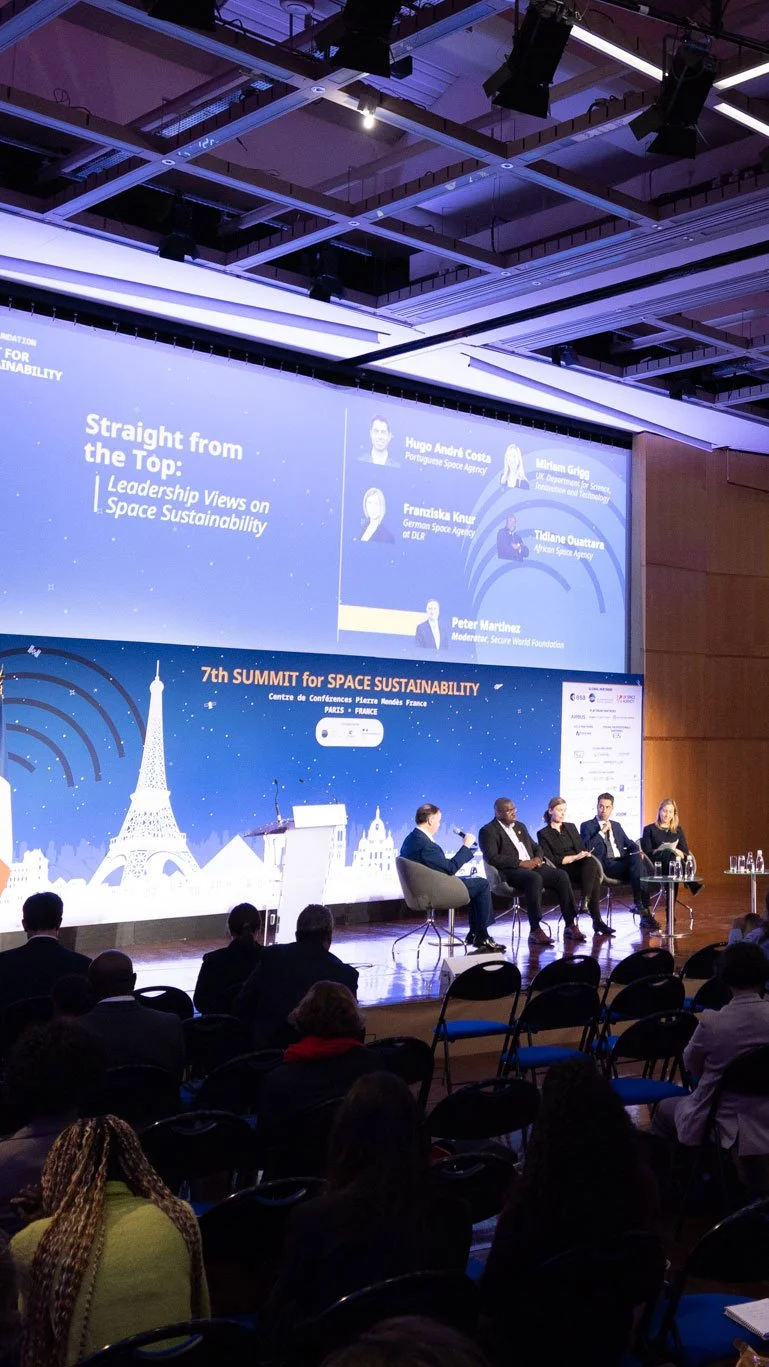
Together, the Secure World Foundation and the Brazilian Space Agency hope this event will result in a shared regional agenda on space sustainability priorities that can feed into international deliberations and actionable recommendations for national policy and regulatory implementation, including model practices for licensing, debris mitigation, transparency, and data use.
The event also aims to identify cooperation opportunities such as capacity building, data sharing frameworks, and regional SSA and STC collaboration, and to advance a forward looking approach for sustainable lunar and Martian activities, including principles, voluntary practices, and avenues for inclusive participation.
-
As Brazil and other LAC nations expand space activities—from Earth observation and telecommunications to launch services—there is a paramount need to translate global sustainability norms into effective national policy and regulatory practice. This theme examines how countries can design and implement laws, licensing, standards, and incentives that reduce risks such as orbital congestion and debris, while also catalyzing local industry growth and safeguarding long‑term access to space. Discussion will surface practical models for aligning domestic ambitions with internationally recognized principles, and how regional experiences can inform and improve those global norms.
-
Space applications are central to sustainable development across the region—from tackling illegal deforestation and wildfires to enabling climate adaptation, precision agriculture, public health, education, and digital inclusion. Yet policy and market gaps often impede impact: fragmented procurement, limited data interoperability, uneven connectivity, and insufficient capacity to use space‑derived information in decision‑making. This theme focuses on closing the last‑mile gap between satellites and societal outcomes, highlighting approaches to improve data access and uptake, foster public‑private partnerships, and ensure that platform sustainability and equitable access are integral to service delivery.
-
In an increasingly multipolar and congested space environment, cooperation is a prerequisite for safety and sustainability. Building bridges between established and emerging space actors—within LAC and globally—can expand participation while strengthening transparency, interoperability, and confidence‑building measures. This theme explores regional and international mechanisms that enable information‑sharing, standards development, joint research, and coordinated operations (e.g., space situational awareness), and considers how LAC countries can bring inclusive governance perspectives to multilateral fora.
-
Space sustainability demands innovation not only in technology and operations but also in policy design. This theme delves into practical policy instruments—risk‑based licensing, performance‑based regulation, economic incentives, insurance and liability approaches, and stewardship benchmarks—that align commercial incentives with responsible behavior. It also considers lessons from other shared domains (oceans, atmosphere) to address tragedy‑of‑the‑commons dynamics and identify gaps where new or adapted governance tools are needed, tailored to the diverse capacities of national agencies and market actors.
-
As lunar activities resume and ambitions for Mars exploration intensify, the global space community faces a pivotal opportunity to embed sustainability principles beyond Earth orbit from the outset. This theme will examine how early identification of sustainability risks can inform responsible exploration strategies and will explore how design-for-sustainability approaches can be applied to lunar and planetary missions. The discussion will also address the evolving governance landscape, including the relationship between existing international space law, emerging initiatives related to lunar exploration, and the role of multilateral and inclusive forums. For Brazil and the wider Latin America and Caribbean region, this represents an opportunity to engage early in norm-shaping processes, contributing scientific expertise, policy perspectives, and diplomatic leadership even in the absence of flagship lunar or Martian missions. By emphasizing equity, transparency, and long-term stewardship, the region can help ensure that the expansion of human activities beyond Earth orbit advances in a manner that is sustainable, cooperative, and beneficial for present and future generations.

Sign the Zero Debris Charter
Organizations interested in joining ESA’s Zero Debris Charter will have the opportunity to sign the Charter during the 8th Summit for Space Sustainability in Brasília.
The Zero Debris Charter is a non-legally binding, community-driven initiative facilitated by the European Space Agency that brings together organizations working toward a zero-debris future by 2030.
Since its publication in 2023, more than 250 organizations from 35 countries have joined the initiative. Interested organizations can register their interest in participating in the signing ceremony.
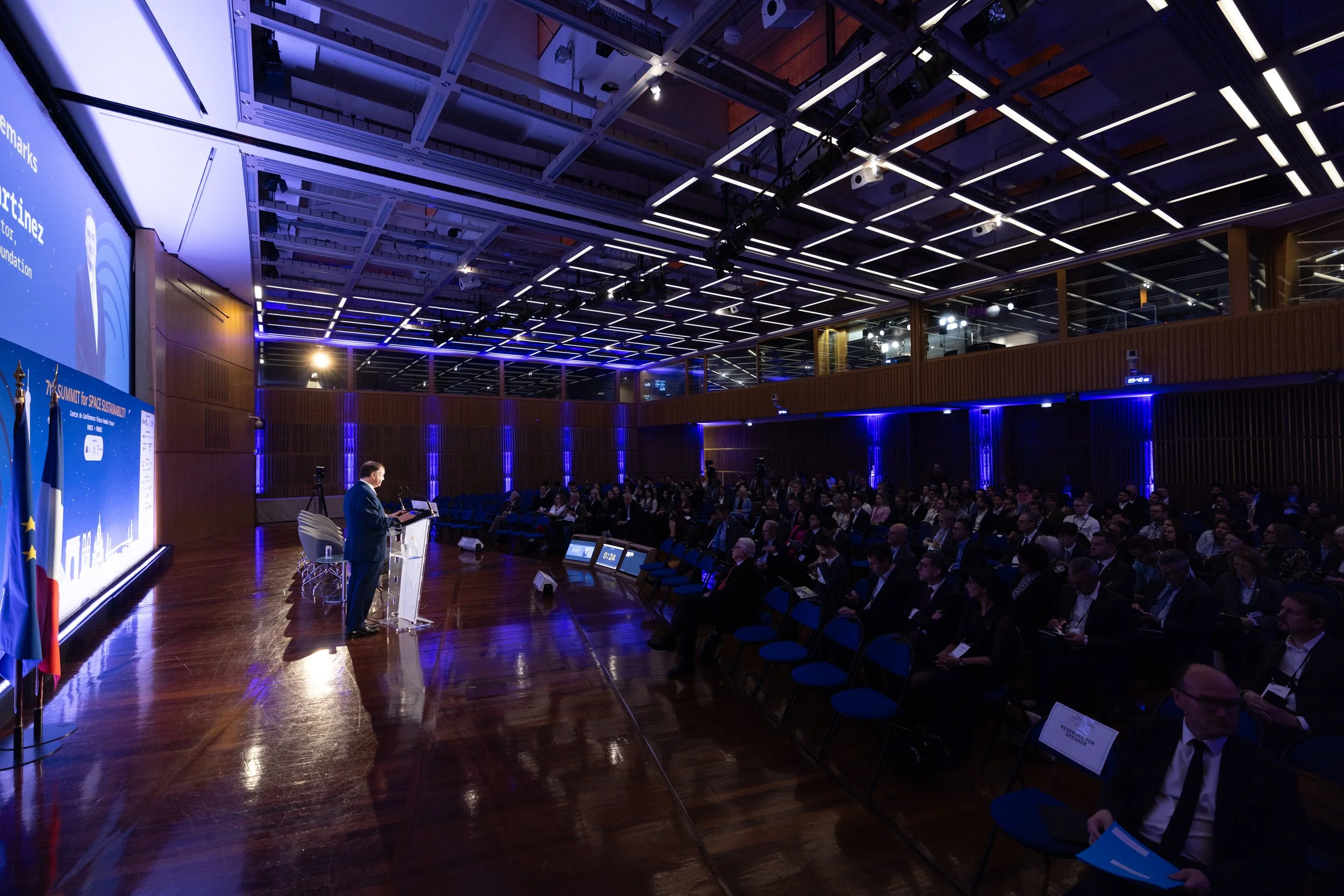
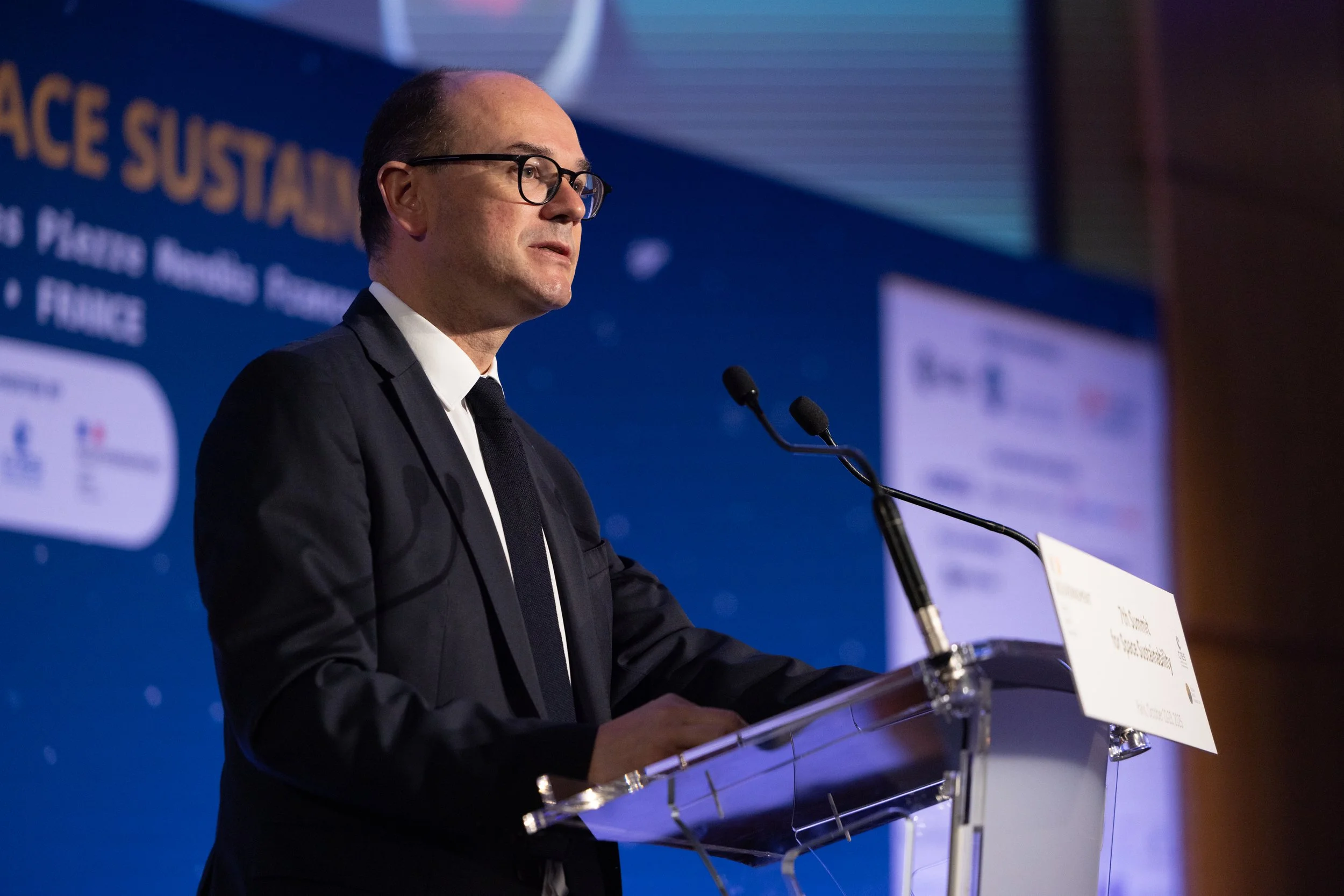
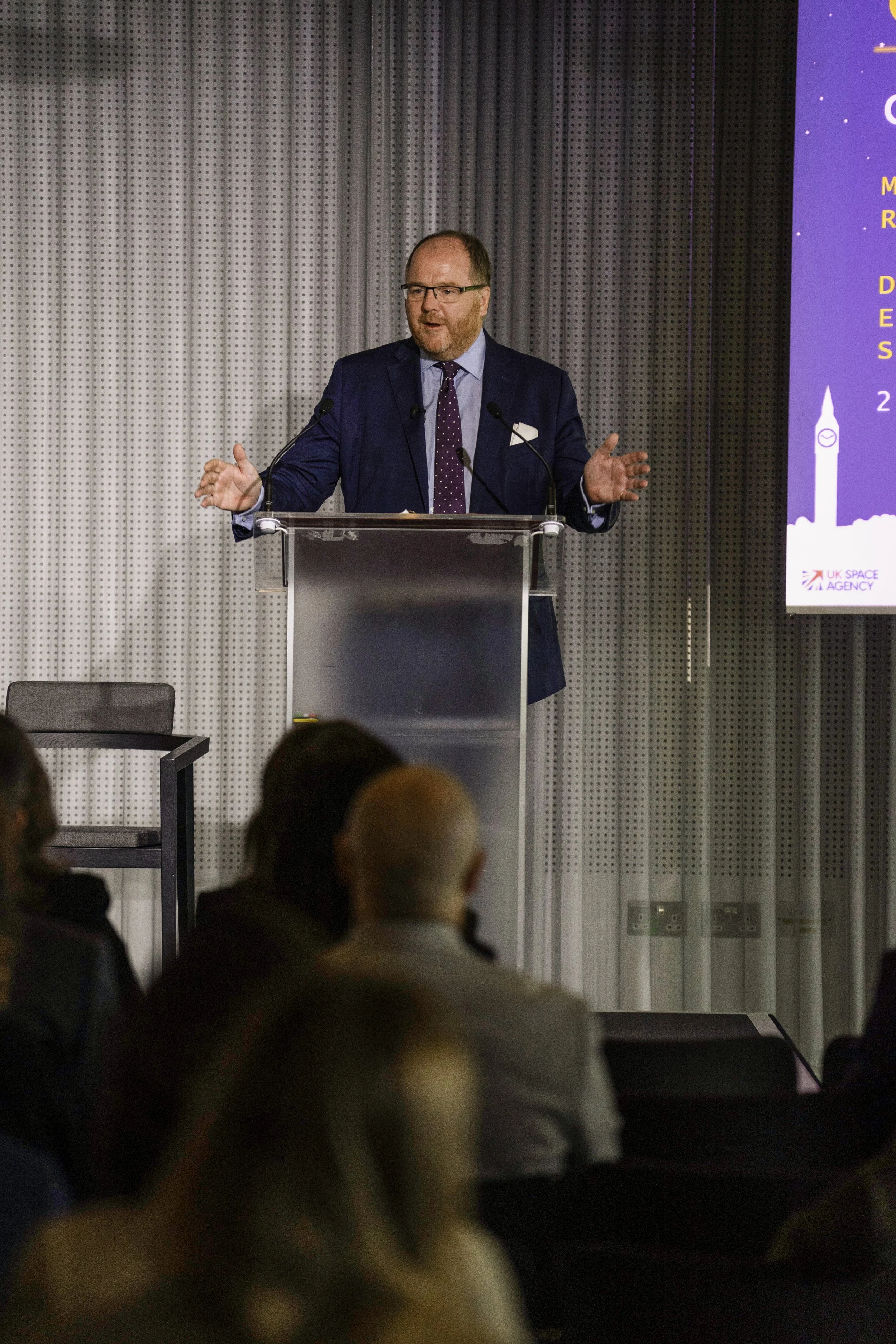






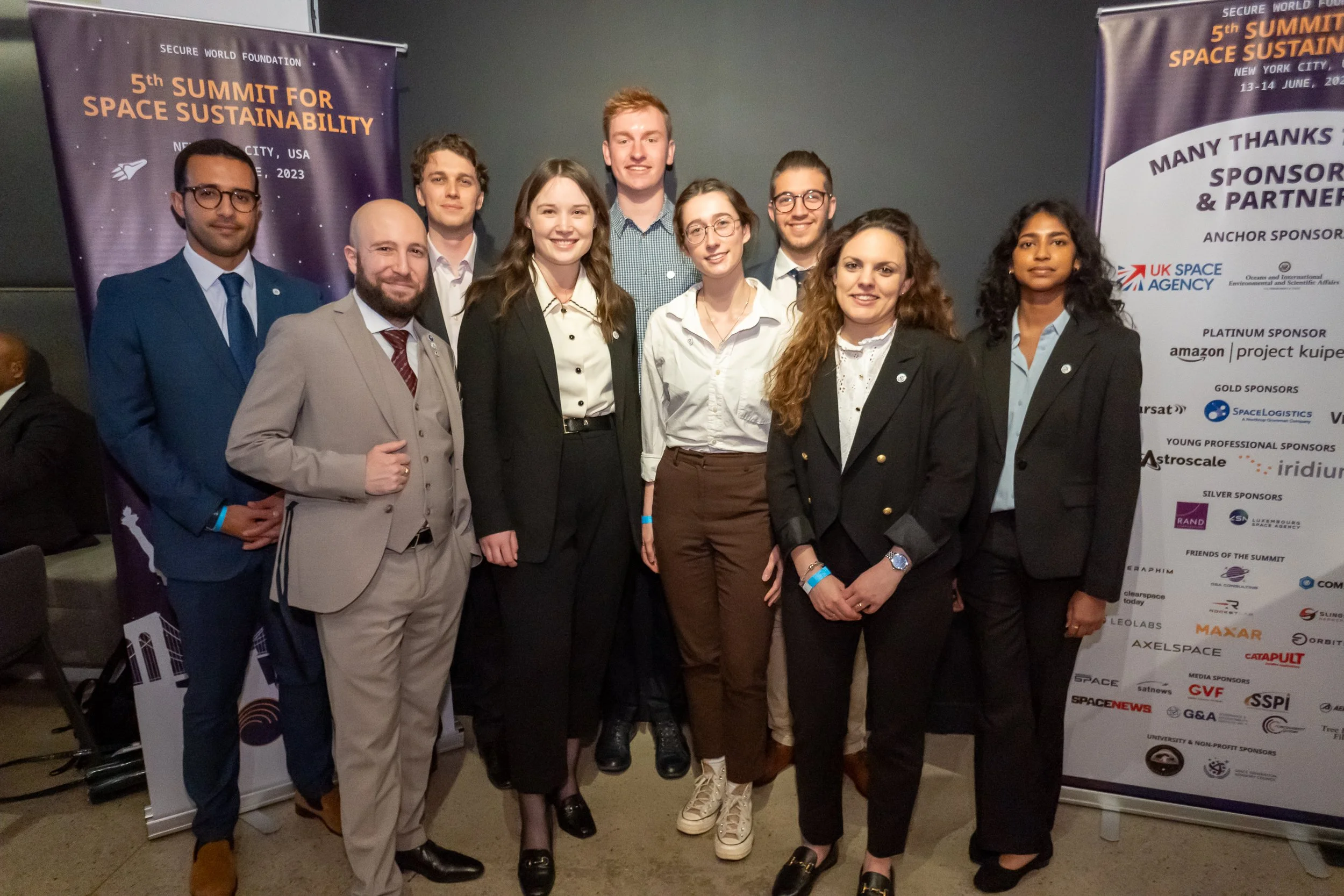

Keep up-to-date on keynote speaker announcements, panels, and everything #SWFsummit26
Sign up to receive updates, announcements, and information related to the 8th Summit for Space Sustainability.